The Run Your Race System athletes are using to crush their goals without getting injured
A plan built around your life, fueling that actually works, injury-proofing, and a coach in your corner. Four parts, one system.
Coached by someone who actually does this
Not a guy who read a book about ultras. An elite ultramarathoner who races, wins, and has the buckles on the wall to prove it.
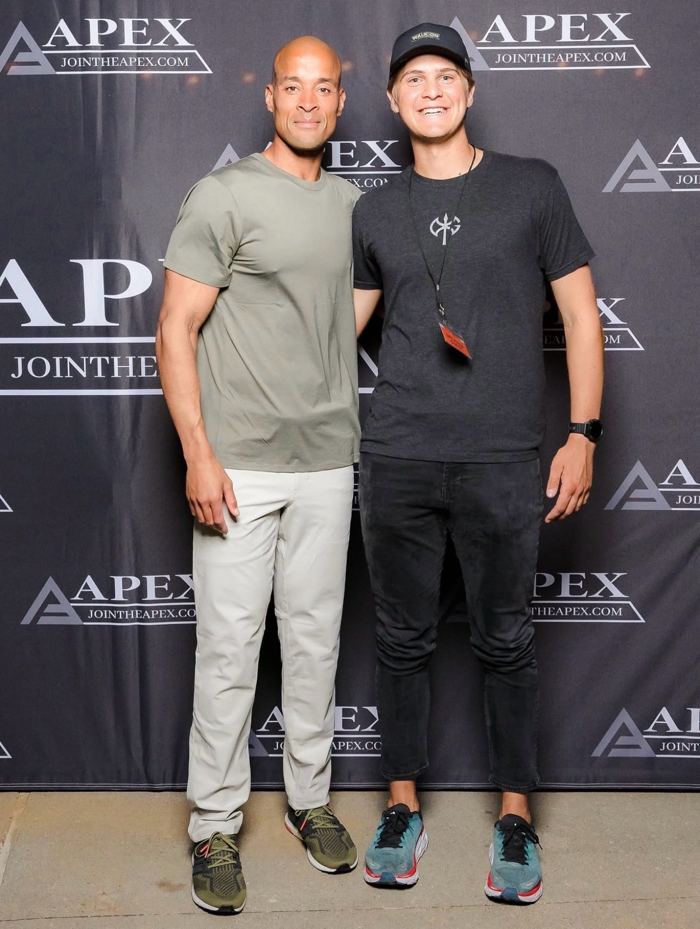
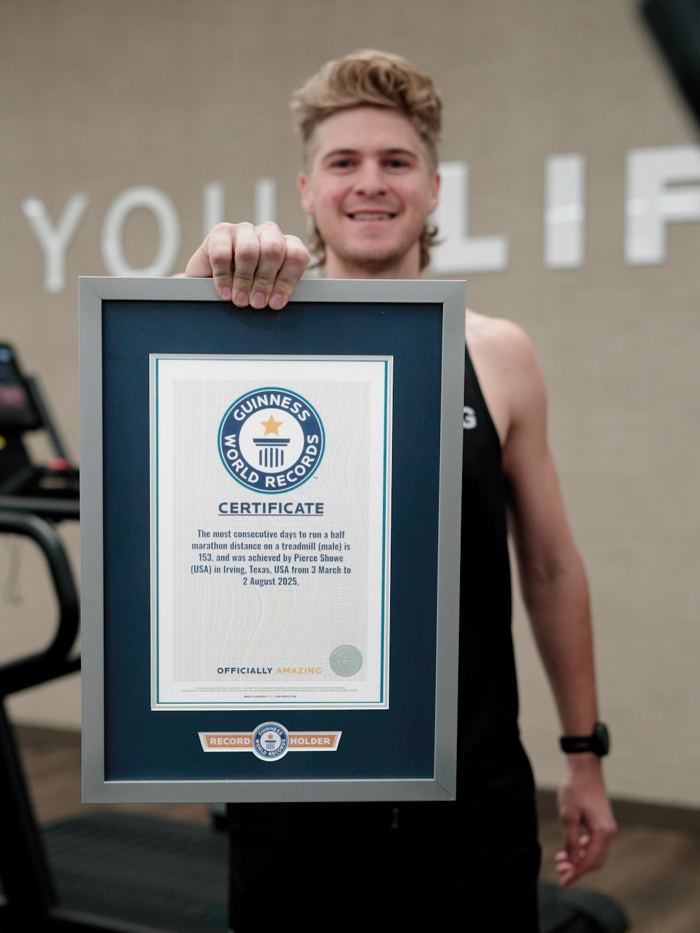
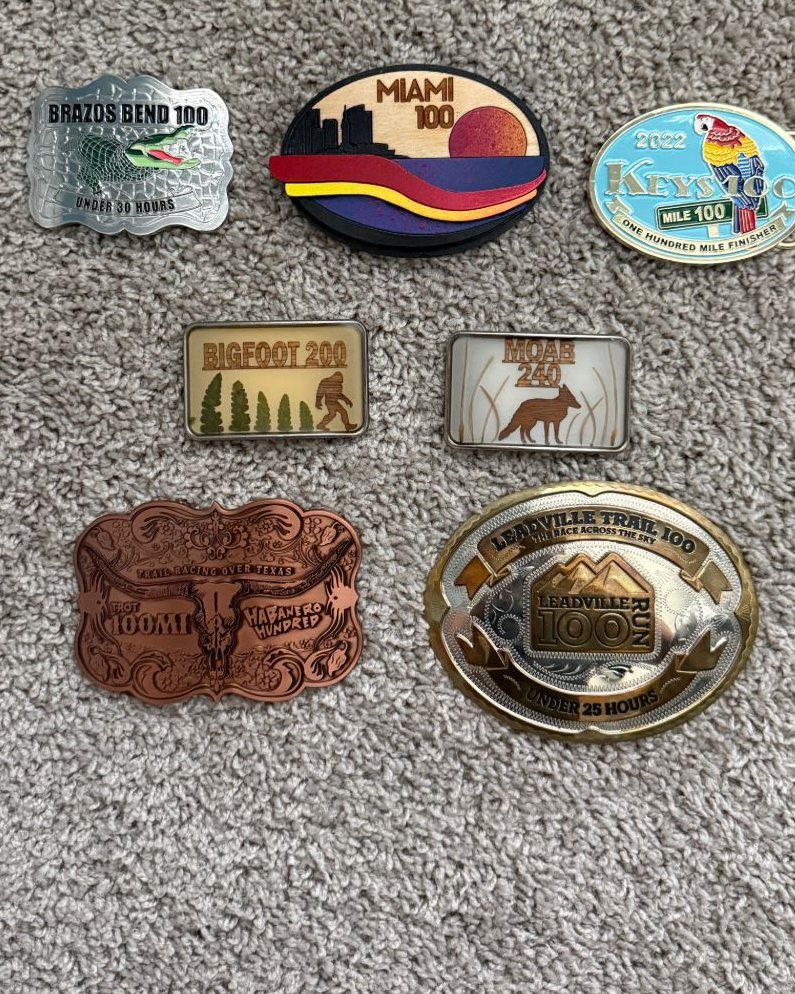
3 × 200-mile races
(Not all pictured)
 Clearwater Half Marathon
 2:51 Marathon
 Runningman 50K
 Blazin' Summer Sufferfest 54K
 First 100-Mile Race
 Leadville Trail 100
 Brazos Bend 100
 Habanero 100
 Ultraman Arizona
Athletes who came in with a goal and left with a finish
Sound familiar?
Almost everyone who reaches out to me says some version of the same four things.
"I have a big goal, but I don't know where to start."
You signed up for the marathon. Or the 50K. Or you've been staring at a 100-miler for two years. You know you can do hard things. You just don't know what Tuesday's run is supposed to look like.
"I've never had a running coach."
You've pieced it together from podcasts, YouTube, a free app, maybe even ChatGPT. Some weeks you do too much, some weeks too little, and you're never sure if any of it is working.
"I have no idea how to fuel."
How much to eat before a long run. How many carbs per hour. Which gel. How much sodium. Whether you're eating enough to recover at all. This is where most races fall apart, not in the legs.
"I just need someone in my corner."
Training alone is hard. Life gets busy, motivation dips, a nagging knee shows up. You want someone who checks in, holds you to it, and tells you the truth when you need to hear it.
You don't need more motivation. You need a plan and a coach.
The people I coach aren't lazy. They're nurses, business owners, parents of toddlers, guys who used to be 60 pounds heavier. They've got the "no quit" attitude already. What they're missing is information and structure.
So they do what everyone does. They ramp up too fast, run every run too hard, skip the strength work, and fuel with whatever's in the pantry. Then the shins start barking two months in, the long runs fall apart at mile 14, and the goal race starts to feel like a mistake.
You tell me your race, your schedule, and your history. I build a plan around your actual life, teach you how to fuel it, keep you healthy enough to show up every week, and check in so you never feel like you're doing this in a vacuum.
I've done this the hard way. I've walked the last 26 miles of a 100 in worn-out shoes and dropped from 10th to 33rd. I've overheated at the Keys 100 because I didn't have a way to carry ice. You don't have to learn those lessons yourself.
"Let us run with patience the race that is set before us."Hebrews 12:1
A training plan is only one part of the race.
Most coaches send you a plan and call it coaching. But a perfect plan won't save you if you're hurt, under-fueled, or doing it alone. That's why every athlete I coach runs on four parts that work together. I call it R.A.C.E.
Roadmap
Your plan, built backward from race day around your actual life.
- Built around your work hours, family, and the days you can't run
- Every workout tells you what to do and how hard to go
- Adjusted weekly based on your pace and heart rate data
- Ends with a race-day pacing plan
Armor
Injury-proofing, so you make it to the start line healthy.
- Mileage that builds gradually, not all at once
- Strength and mobility work most runners skip
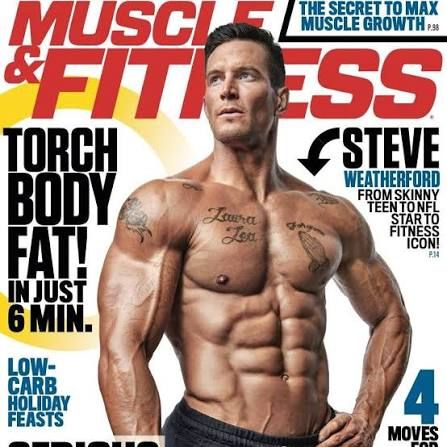
- The daily warm-up I learned training with Steve Weatherford
- Easy days that are actually easy
Corner
A coach in your corner who checks in and holds you to it.
- Regular check-ins and text access
- Tough love or encouragement, whichever you need
- Someone who notices when you go quiet
- Honest feedback on every week of training
Energy
Fueling that keeps your legs and your stomach in the race.
- Day-to-day nutrition to recover and keep training
- What to eat before and during long runs
- Carbs, fluids, and sodium dialed in for race day
- Practiced in training, so nothing is new on race day
Wherever you're starting, I'll meet you there
Nearly half of my athletes are chasing a marathon. About one in three is chasing 100 miles. Plenty are just getting started.
Your first race, or your first time racing it instead of surviving it.
Finish strong, break 4 hours, or chase a Boston qualifier.
Your first ultra. Trails, time on feet, and learning to eat while you run.
The buckle. I've earned ten of them. Let's go get yours.
How it works
Apply
Answer a few quick questions about your goal and where you are today. Takes two minutes.
Intake call
We talk through your race, your schedule, your history with injuries and fueling, and how you like to be coached.
Start training
Your plan shows up in your app, I check in every week, and you start running your race with someone in your corner.
Not ready for coaching? Join the newsletter.
Training tips, fueling advice, and what race I'm running next, straight to your inbox.
No spam. Unsubscribe anytime.
Questions people ask before they apply
I'm brand new to running. Is this for me?
Yes. Some of my athletes started with a longest run of 2 or 3 miles. If you have a goal and you're willing to do the work, I'll build you the foundation to get there safely.
I've never had a coach. What does it actually look like?
Your workouts show up in your training app each week with what to do and how hard to go. You log your runs, I look at the data, and we check in regularly. You can text me questions in between.
How much time per week will this take?
That depends on your goal and your life. We'll set a maximum number of hours and days on your intake call, and I build the plan inside it. Most of my athletes run 4 to 6 days a week.
Do I need a GPS watch?
It helps a lot, since I use your pace and heart rate to adjust your plan. Most of my athletes already have one. If you don't, I'll tell you what to get.
I keep getting hurt. Can you help?
Injury prevention is built into every plan: gradual mileage, strength and mobility work, and easy days that are actually easy. Tell me about your injury history on the intake call and we'll plan around it. For anything serious, see a doctor or physical therapist first.
Tough love or hand-holding?
Whichever you need. Most of my athletes ask for tough love, some want more encouragement, and plenty want a mix. You'll tell me on your intake form and I'll coach you that way.
Do you only coach ultramarathons?
No. I coach everything from first half marathons to 200-milers. Nearly half of my athletes are training for a marathon.
Is there a guarantee?
Yes. Do the work and you'll finish your race, or PR it if you've run that distance before. If you don't, I'll keep coaching you for free until you do.
"Do the work" means completing at least 90% of your workouts, showing up to check-ins, and following the race-day fueling and pacing plan we build together. Free coaching covers your next goal race within 6 months. If your race is cancelled, shortened, or rerouted, or an illness or accident keeps you out, we roll the guarantee to your next race. PRs are compared on the same kind of course (road to road, trail to trail).